Home security is a major concern for seniors, a population particularly vulnerable to domestic accidents and intrusions. As they age, physical abilities tend to decline, increasing the risk of falls and other incidents. Elderly individuals can become prime targets for scammers and thieves. Fortunately, there are simple measures and devices that can greatly enhance the safety of seniors at home, ranging from the arrangement of living spaces to the use of assistive technologies, as well as the implementation of good daily practices.
Understanding the Specific Risks for Seniors
The arrangement of the home and preventive behaviors are major issues when discussing home security for seniors. In France, the population is aging, and with it, the issues related to health and loss of autonomy are becoming more pressing. Falls are a frequent cause of domestic accidents, sometimes leading to situations of disability. Adapting the home and raising awareness of risks are therefore crucial to prevent these incidents and promote a safe living environment.
The platform Happy-seniors.fr highlights alarming statistics: one in three falls among people over 65 leads to serious consequences. These domestic accidents often result from an environment that is not suited to the physical capabilities that change with age. It becomes essential to identify risk areas within the home, particularly stairs, bathrooms, or narrow passageways that could lead to falls.
Financial aids such as the Personalized Autonomy Allowance (Apa) and the Disability Compensation Benefit (Pch) can be requested to make necessary adjustments for securing seniors’ living spaces. These grants, allocated based on income or situation, aim to facilitate housing adaptation and thus reduce risks related to reduced mobility or loss of autonomy.
Understanding the specific risks for seniors requires a precise diagnosis of the individual needs of each elderly person. This involves close collaboration between seniors, their families, health professionals, and social services. The goal is to design a safe and suitable environment where each senior can move without fear while preserving their autonomy for as long as possible.
Strategies and Devices to Enhance Security
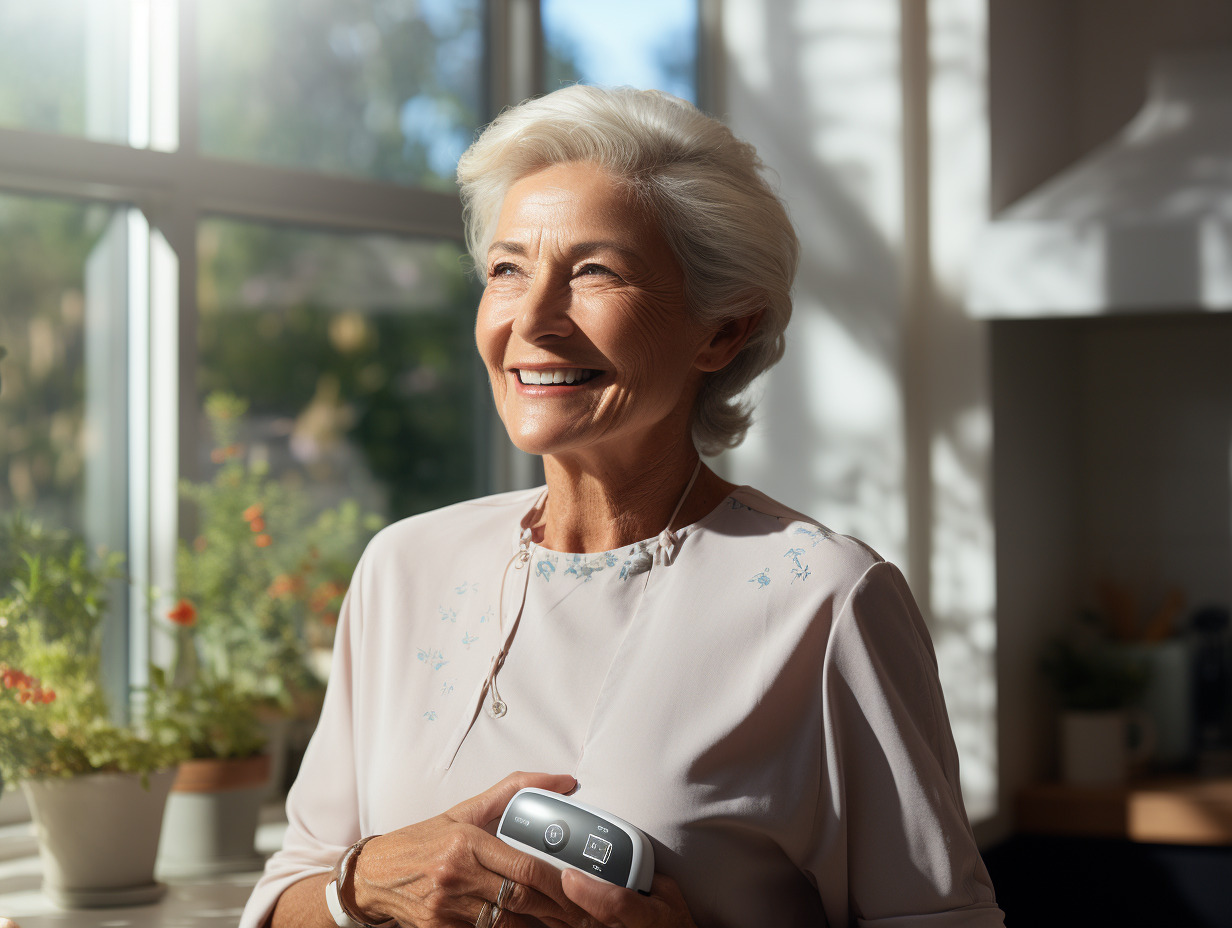
When it comes to enhancing security for seniors, implementing suitable devices within the home becomes essential. Solutions such as teleassistance allow for rapid intervention in case of a fall or malaise, thus providing elderly individuals with an increased sense of security. Installing emergency buttons, whether portable or fixed in strategic locations around the house, connected to a teleassistance service, ensures immediate assistance 24/7. Securing the home also involves targeted physical adjustments. In the bathroom, often considered a high-risk area, installing grab bars and non-slip flooring helps prevent falls. These simple yet effective adaptations enable seniors to maintain their autonomy while minimizing the risks of domestic accidents.
Beyond individual measures, public aids are available to assist seniors in the process of securing their homes. The National Housing Agency (Anah) offers grants for home improvement work, including safety and accessibility-related projects. These financial aids represent a significant lever for elderly individuals wishing to adapt their homes without having the necessary resources.
The support network for seniors plays a crucial role in implementing home security strategies. Raising awareness of existing services and solutions is essential. It is important to emphasize the need for communication among family members, health professionals, and social services to establish a personalized security plan that incorporates both security systems and human assistance, ensuring a safe and reassuring environment for seniors at home.