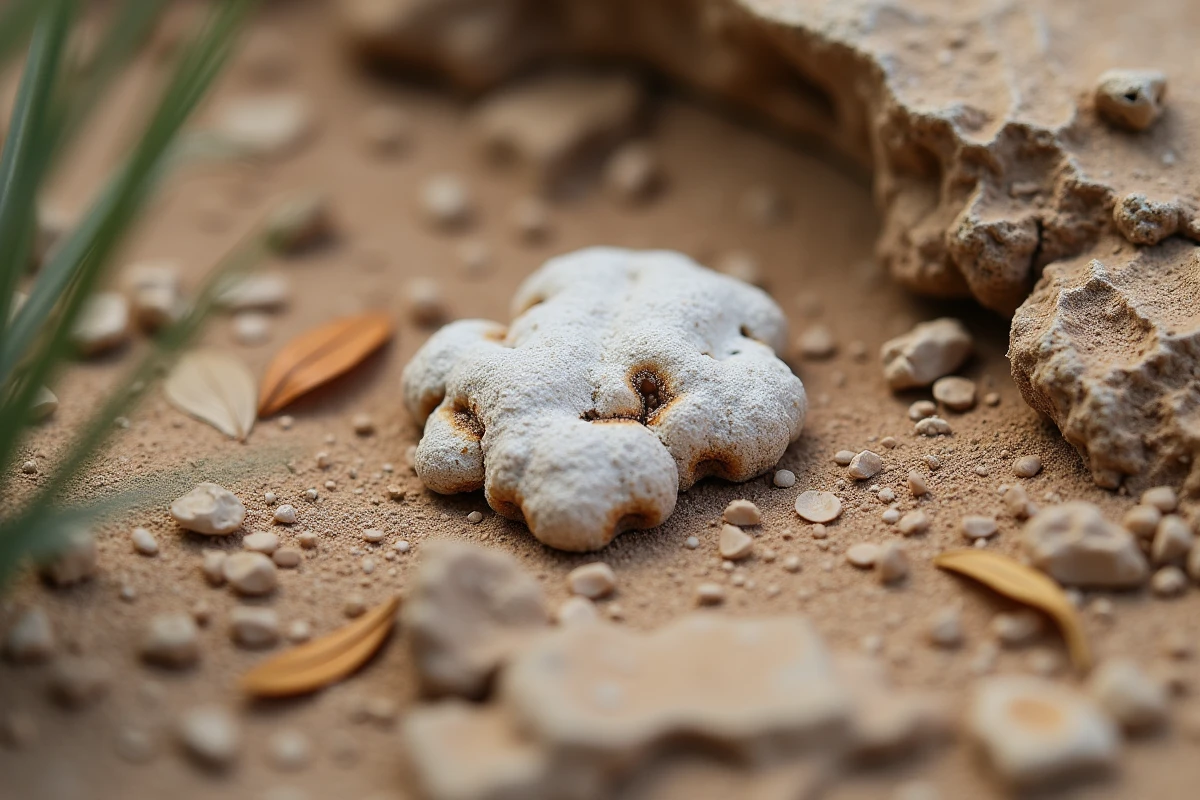
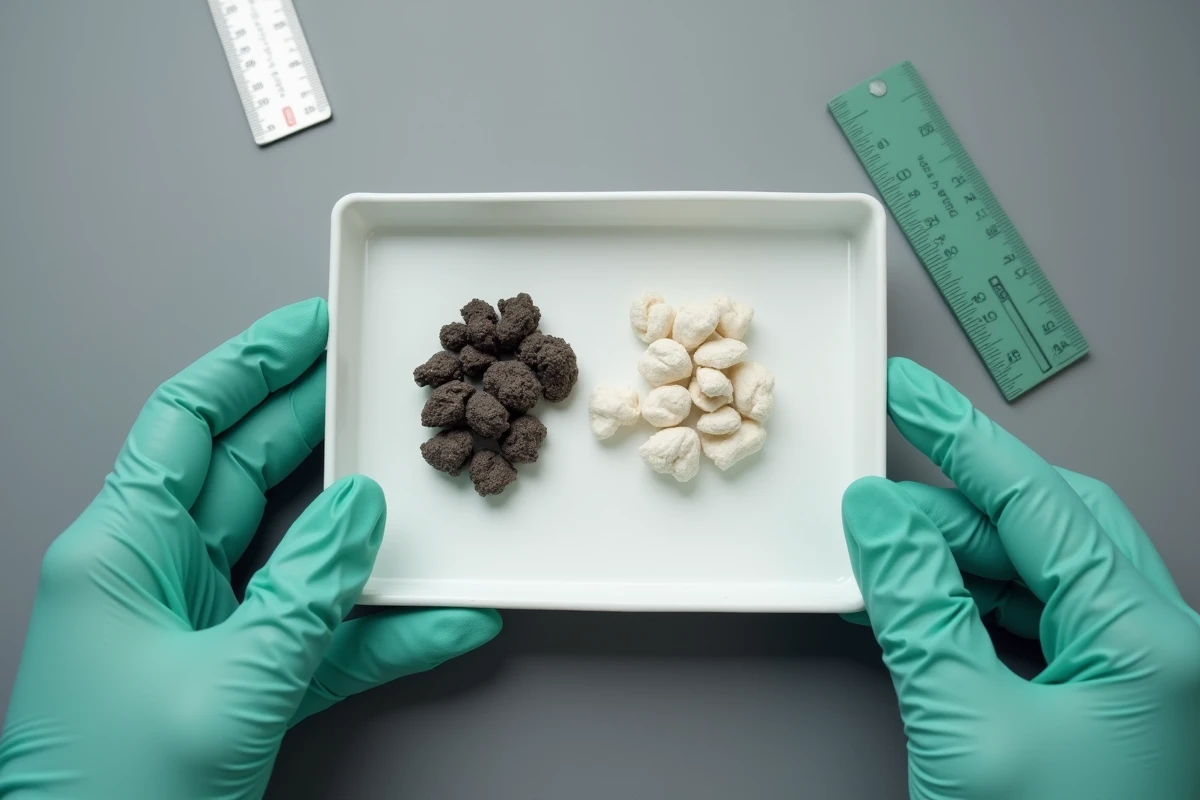
Identifying snake droppings in a garden or basement presents a concrete problem: their appearance varies according to species, diet, and the reptile’s hydration level. Unlike rodent or bird droppings, snake feces combine a dark solid fraction and a white urate fraction, which is the first reliable clue to distinguish them from the droppings of other animals.
Comparison Table of Droppings by Common Species
The texture, shape, and consistency of feces vary significantly from one snake to another. The diet (rodents, insects, amphibians) directly alters the composition of the droppings.
| Type of Snake | Shape of Droppings | Presence of White Urate | Visible Dietary Clues |
|---|---|---|---|
| Garter Snake (small size) | Elongated, thin, often liquid | Yes, in significant proportion | Insect fragments, amphibian scales |
| Viper (medium size) | Compact, cylindrical | Yes, mixed with the dark part | Rodent hairs, small bones |
| Large Snake (python, boa in captivity) | Voluminous, pasty | Yes, sometimes in separate clumps | Bones, tufts of hair, feathers |
This table highlights a often overlooked point: the white urate fraction is present in all species. It is the most consistent marker to confirm the reptilian origin of a droppings found on the ground.
To compare these characteristics with detailed illustrations, there are photos of snake droppings that facilitate visual identification in the field.
Texture and Consistency of Snake Droppings: What Distinguishes Them
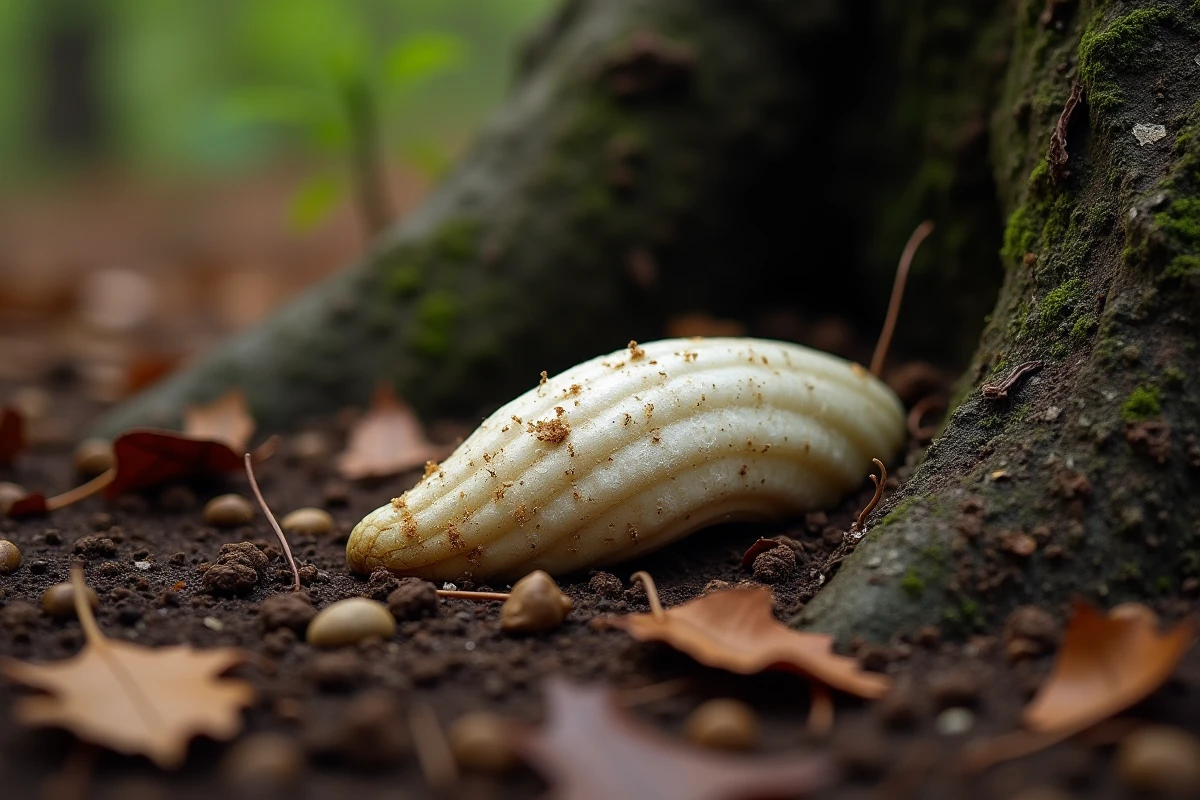
The consistency primarily depends on the hydration of the reptile and the time elapsed since the last meal. A well-hydrated snake produces softer, sometimes semi-liquid droppings, with a high proportion of urate in a creamy form.
Conversely, a dehydrated snake or one in a prolonged fasting period produces dry, crumbly droppings, almost entirely composed of the white fraction. The near-total absence of the dark part indicates prolonged fasting, not a systematic health anomaly.
Differentiating Fresh and Old Droppings
Fresh droppings have a moist appearance and a strong odor, comparable to that of bird droppings but muskier. Within a few hours, the dark part hardens and darkens while the urate whitens and crumbles.
After several days, the droppings disintegrate and resemble only a whitish residue mixed with soil. It is at this stage that confusion with bird droppings becomes common. Two criteria help:
- The presence of undigested hairs or bones in the residue, which excludes a granivorous or insectivorous bird
- The elongated shape of the deposit, which follows the intestinal morphology of the snake, unlike the round droppings of birds
- The location: snake droppings are often found along a wall, under a flat stone, or near a water source, rarely at height
Frequent Confusion with Other Animal Droppings
The most common trap involves confusion with lizard droppings. Both reptiles produce a dark fecal mixture and white urate. The difference lies in size and shape: lizard droppings are smaller, often ending with a sharp, distinct white tip, while in snakes, urate and fecal matter are more mixed into a homogeneous mass.
Hedgehog droppings also pose an identification problem. They are black, shiny, and cylindrical, but never contain a white fraction. This is the quickest discriminating criterion.
Complementary Environmental Clues
Finding droppings is not always sufficient to confirm the presence of a snake. The clues to cross-reference include the presence of sheds (abandoned translucent skin), winding tracks in dust or sand, and a consistent location (sheltered, moist area near potential prey like rodents).
A single isolated deposit without other clues does not confirm an established presence. Snakes defecate on average after each meal, at intervals ranging from several days to several weeks depending on the species and season.
Changes in Droppings and Snake Health in Captivity
For snake keepers in terrariums, droppings are a crucial health monitoring tool. Changes in color, consistency, or frequency often signal a dietary or parasitic problem before any other visible symptoms.
- Greenish droppings or those with mucus may indicate an intestinal infection requiring veterinary examination
- A prolonged absence of droppings despite regular feeding points to a temperature issue in the terrarium (slowed digestion)
- Very liquid and frequent droppings often indicate an unsuitable diet or environmental stress
- The presence of visible parasites (worms) in the droppings necessitates prompt antiparasitic treatment
Regular observation of droppings, combined with monitoring feeding behavior and hydration, remains the most reliable method for detecting health issues in a captive snake.
The distinction between snake droppings and those of other animals relies on a simple criterion: the characteristic mixture of dark fecal matter and white urate. By cross-referencing this clue with the location of the deposit and any potential presence of undigested food remains, identification becomes reliable without resorting to herpetological expertise.