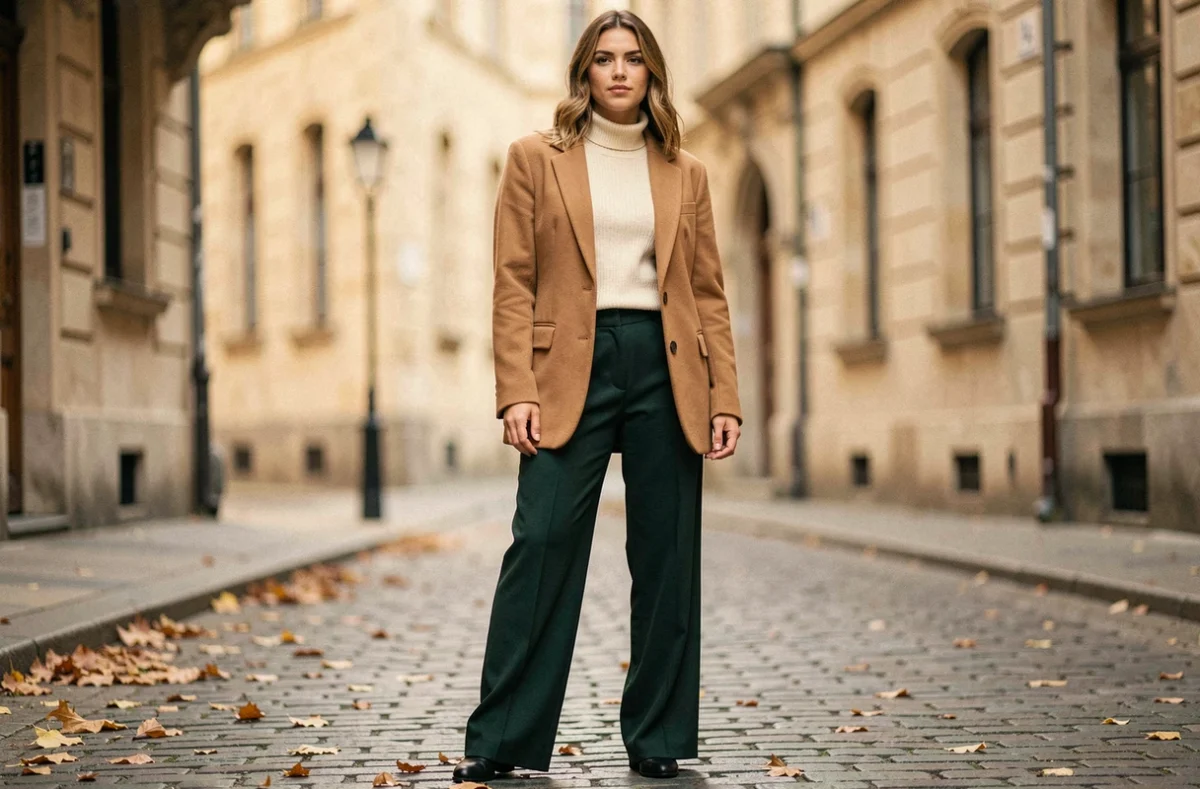
The fashion trends of a season are defined by a set of visual codes (cuts, materials, colors, patterns) that circulate simultaneously on runways, in commercial collections, and on social media. For this season, several signals converge towards a wardrobe where uniqueness takes precedence over the volume of pieces purchased.
Textile Traceability and Conscious Style Markers
A recent phenomenon is changing the way a fashion piece tells something about the person wearing it. Digital traceability integrated into collections is starting to appear directly in certain clothing lines. The garment becomes a verifiable information medium, capable of documenting its manufacturing chain.
This is not just an environmental argument. For a unique style, wearing a piece whose origin can be traced adds a layer of meaning that standardized clothing does not offer. Collections that integrate this data transform transparency into a distinguishing element of clothing.
At the same time, new French regulations modulate textile contributions based on incentives for repair, pushing brands to design more durable pieces. This regulatory constraint impacts the cuts and materials offered in stores, including on the fashion page of Planète Beauté which features pieces designed to last beyond a season.
Visible Repair: Transforming Maintenance into Fashion Signature
Repair is no longer limited to secretly sewing on a button. A visible repair becomes a deliberate stylistic gesture. Changing a lining, adding a contrasting patch on a worn elbow, or placing an embroidered patch on a tear transforms an ordinary garment into a personalized piece.
This approach extends the lifespan of a garment while giving it a character that mass production cannot replicate. Unique style also comes through these details that tell a story unique to each wardrobe.
For repair to function as a true aesthetic choice and not just as DIY, a few criteria matter:
- The density of the original fabric must be sufficient to support a repair without deforming, which points towards thick cotton fabrics, denim, or dense woolens
- The quality of the initial seams determines the ease of intervention: flat and even seams are easier to repair than low-quality overlocked seams
- The fiber composition influences aging: a blend with a significant portion of natural fibers ages more predictably than a 100% synthetic fabric
A very trendy but fragile piece will have a shorter lifespan than a well-constructed basic, even if altered multiple times.
Local Second-Hand: Thrifting for a Style No One Else Will Have
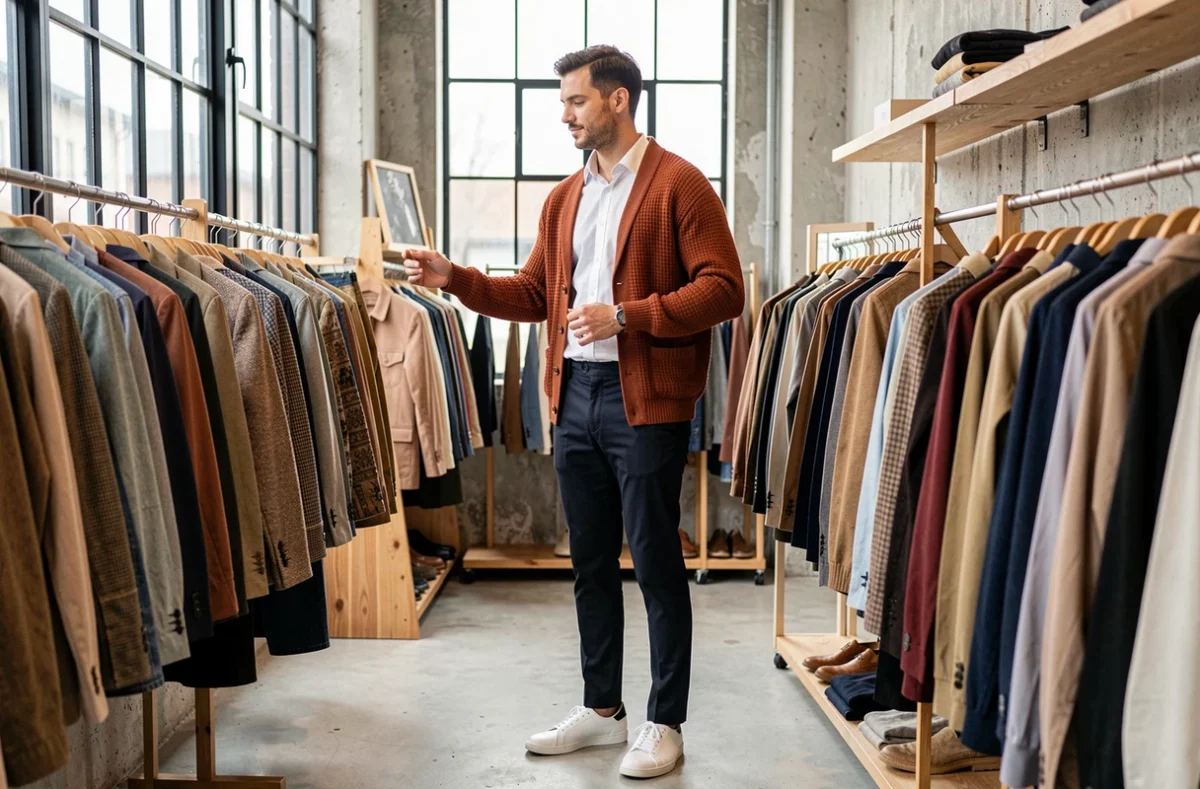
Resale between individuals via online platforms dominates the second-hand market. On the logistics side, physical second-hand offers an often-underestimated alternative. Local thrift stores and solidarity shops limit individual shipments, packaging, and long-distance trips associated with parcel deliveries.
To build a unique style this season, local thrifting presents a direct advantage: the stock of a neighborhood thrift store does not resemble any other. The available pieces depend on the donations received, the sorting done, and the region. Two people visiting the same store will not leave with the same wardrobe.
The trap, however, is to confuse originality with accumulation. Buying fifteen vintage pieces at a low price does not build a style; it clutters a closet. Discerning selection remains key: a single carefully sourced piece brings more character than ten impulsive purchases.
Structured Cuts and Readable Materials: The Wardrobe Codes of the Season
This season’s collections share a common point recognizable on runways as well as in online searches: the return of sharp cuts that structure the silhouette without constraining it. Wide pants with a marked waist, short jackets with defined shoulders, and long flowing dresses compose a vocabulary of clothing oriented towards the readability of shapes.
What distinguishes this season from previous ones is the emphasis placed on material as a signal of perceivable quality. Linen, silk, and thick denim take center stage. Favoring a dense natural material over a fine synthetic fabric changes the overall look of an outfit, even with the same cut.
On the color front, the palette oscillates between warm tones and bright shades without a single color dominating. Saturated tones (oranges, olive greens, deep blues) coexist with softer hues.
This absence of a single dominant color is precisely what makes personal choice decisive. When everyone wears red in a given season, red ceases to be a choice. When the palette is open, color becomes a tool for differentiation again.
Building a Sustainable Fashion Style Rather than a Disposable Wardrobe
The question of sustainability is no longer posed in abstract terms. Recent French regulations on textile contributions create a framework where the reparability and longevity of a garment directly influence its market entry cost. Brands that integrate these parameters from the design stage offer pieces whose cuts, finishes, and materials stand the test of time.
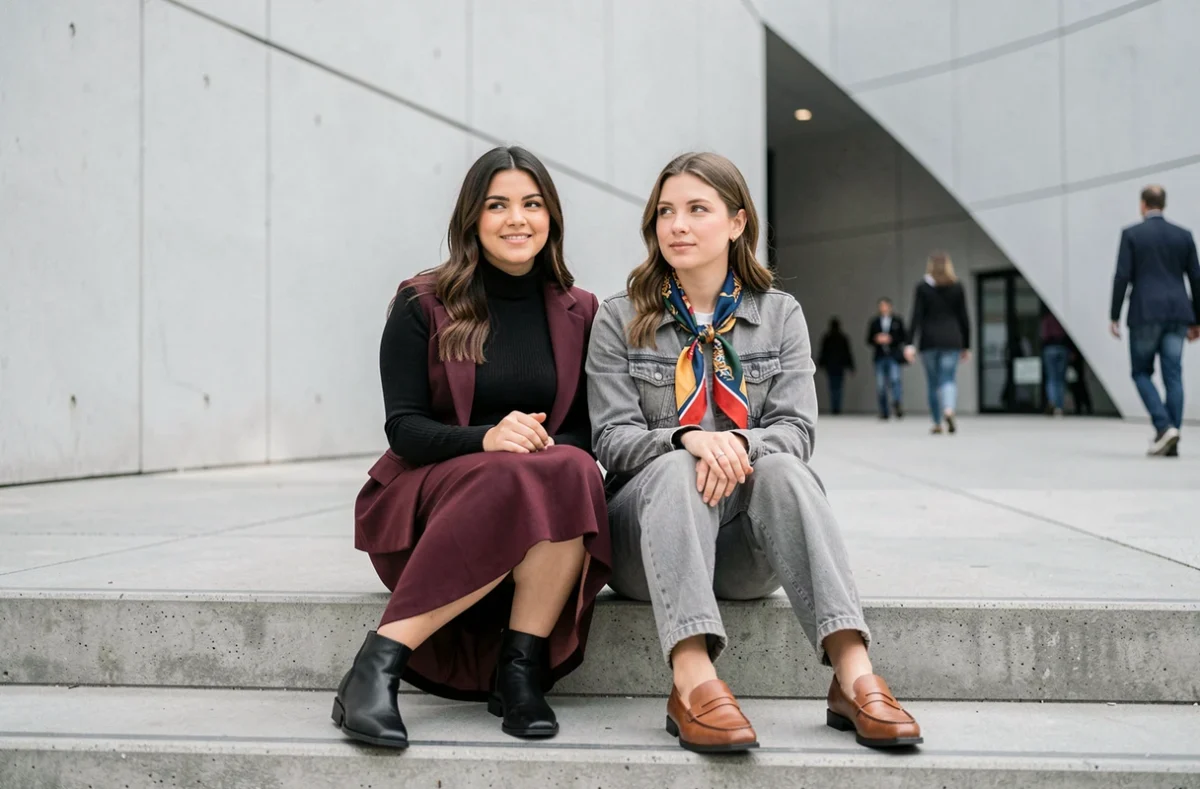
For a unique style this season, the most reliable criterion remains the coherence between pieces rather than their number. Three well-chosen garments, combinable with each other, repairable, and suited to the body shape produce more visual impact than a wardrobe full of mismatched pieces.
- Check the composition on the label before purchase: a high percentage of natural fibers generally indicates better aging
- Test the fabric’s resilience by crumpling it in your hand: if it quickly returns to shape, it will better retain its form after washing
- Examine the inner seams: clean finishes indicate careful manufacturing, even on a price-accessible piece
Style is not measured by the number of trends adopted simultaneously. A piece worn with intention, maintained, and possibly repaired tells more than a total look copied from a runway. The fashion of this season provides the tools for this, provided one sorts through them.