A pendant with shifting reflections, a bracelet where every bead has a slightly different pattern: Murano glass jewelry is recognizable by the irregularities that reveal the human hand behind each piece.
Each piece comes from a workshop on an island in the Venetian Lagoon, where master glassmakers shape molten glass using techniques passed down for centuries. But the difference between a bead genuinely made in Murano and an industrial imitation is not always obvious at first glance.
Vetro Artistico Murano label: what it guarantees and what it doesn’t cover
Have you ever seen a sticker or tag bearing the word “Murano” on a piece of jewelry? That word alone proves nothing. The true indicator of origin is the Vetro Artistico Murano collective label, established under the auspices of the Veneto Region.
Here’s how the label works: only authorized businesses based on the island can apply it to their creations. Each labeled piece bears a manufacturer ID that can be checked against a regional list. In practice, you can verify that a workshop is included in the register.
One important distinction: the label certifies the origin of the glass, not the composition of the metal findings. Earring hooks, necklace clasps, ring settings—all of these are a separate matter. Genuine Murano glass may well be set in a finding whose composition you don’t know. Asking the seller for details about the metals used (silver, gold-plated metal, hypoallergenic steel) is a separate but complementary step.
Another point: some Murano workshops don’t use the label, but that doesn’t mean their creations are fake. The absence of a label simply means you should ask the seller more questions about the piece’s true origin. To explore a selection of Murano glass jewelry with detailed information about findings and techniques, visit this useful resource: https://www.muranobijoux.fr.

Glassmaking techniques behind Murano jewelry
Understanding how a piece of jewelry is made can help you identify an artisan-made piece. Murano glassmakers mainly use three techniques to create beads and jewelry components.
Lampworking
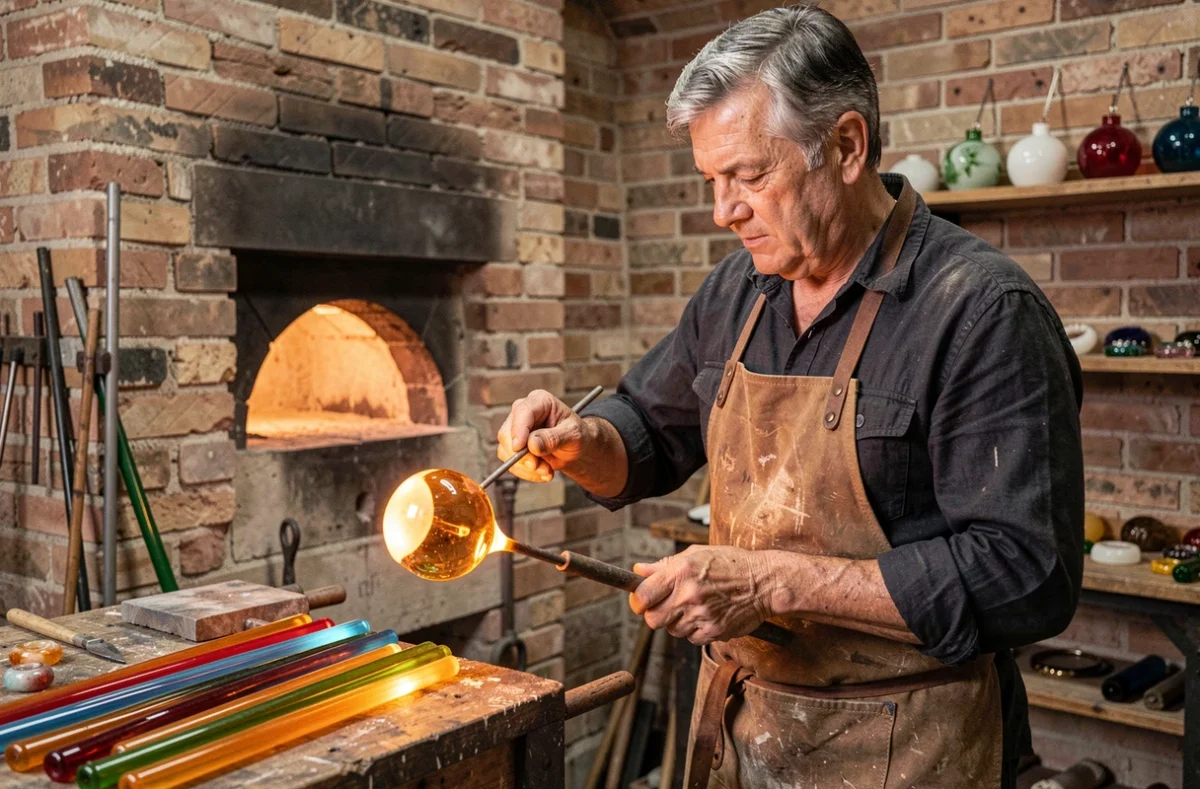
The glassmaker winds molten glass around a metal rod (the mandrel), heating it with a torch. The resulting bead can be elongated, flattened, or decorated with colored glass threads. Every lampworked bead has unique variations in shape and color. This technique is used to make most necklace and bracelet beads.
Murrine
Murrine is a technique in which the glassmaker assembles rods of colored glass, stretches them, then slices them into thin discs. The result resembles a floral or geometric pattern visible in cross-section. Incorporated into a bead, these slices create the patterns known as “millefiori” (a thousand flowers).
Gold and silver leaf
Some beads encase a sheet of precious metal between two layers of glass. Light passes through the glass and reflects off the leaf, creating a deep shimmer. This technique explains the golden or silvery reflections seen in many Murano pieces.
On an artisan-made piece, these techniques leave traces: tiny air bubbles, variations in thickness, and patterns that are never perfectly symmetrical. A complete absence of irregularities suggests industrial manufacturing, not handcrafting.
Murano glass jewelry and safety: what to check before buying
A piece of jewelry’s beauty doesn’t mean you shouldn’t consider how safe it is against your skin. Glass itself is an inert material and is generally well tolerated. Any potential issues are more likely to come from the metal components around the glass.
Here are some things to check before buying:
- Metal finding composition: ask whether the clasps, hooks, and settings are made of 925 sterling silver, stainless steel, or gold-plated metal. Descriptions that simply say “metal” without further details are worth asking about.
- “Hypoallergenic” labeling: this term indicates that the metals used were selected to reduce the risk of skin reactions, which is especially useful for earrings.
- Manufacturer information: European product safety regulations require online sales listings to display the manufacturer’s contact details, product identification, and any relevant safety warnings.
A reputable seller provides this information upfront. If it’s missing, that’s a red flag, whatever the price of the jewelry.
Choosing Murano jewelry to suit your style
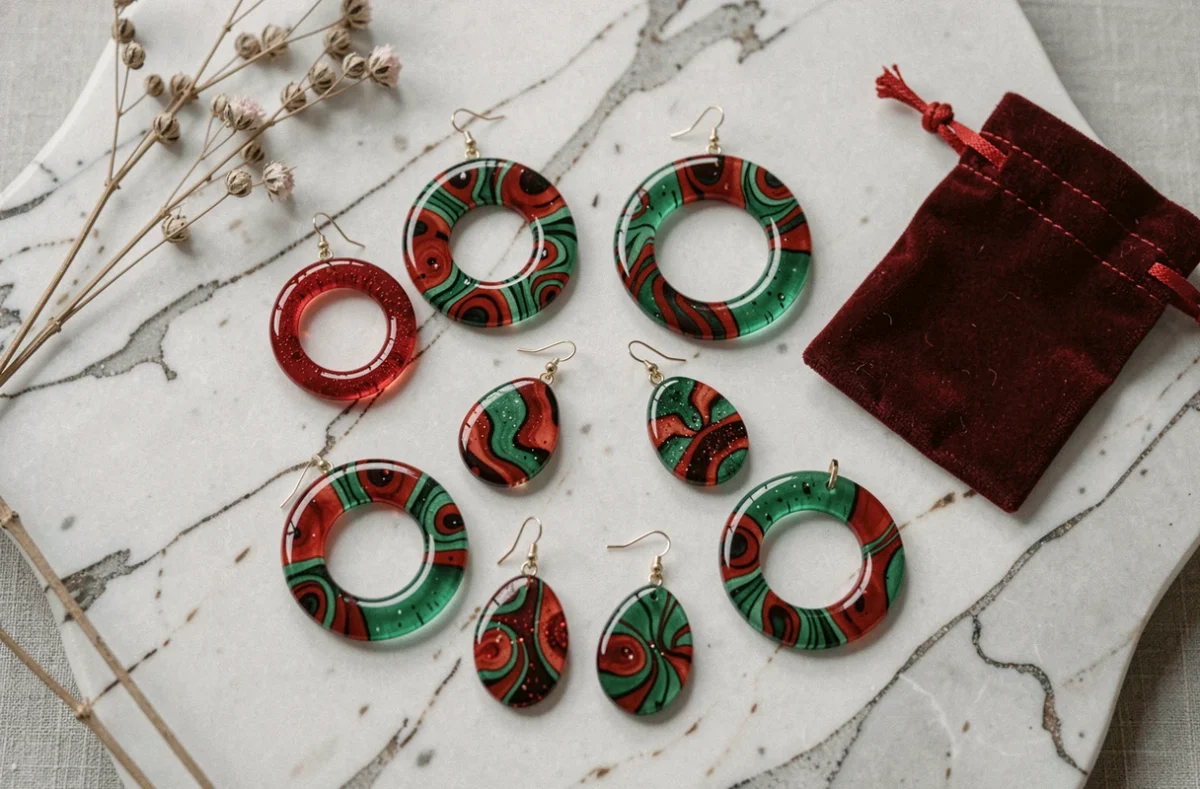
Murano glass jewelry ranges from understated pendants to sculptural necklaces. Choosing a piece depends less on any universal aesthetic rule than on two practical factors: the size of the glass element and its color palette.
Everyday beads and colors
For everyday wear, small-diameter beads set in a bracelet or earrings are easy to incorporate into your look. Neutral shades (amber, black, midnight blue) go with most outfits. A bracelet made with Murano beads is a great alternative to conventional costume jewelry, thanks to its durability and distinctive character.
Statement pieces for special occasions
Large pendants, multicolored murrine necklaces, and pieces featuring gold leaf are better suited to dressier occasions. Worn with a simple outfit, they become the focal point of your look.
One practical tip: before pairing several Murano pieces, check that the beads come from the same family of techniques. A millefiori bracelet and gold-leaf earrings can sometimes create a visually busy combination. Pairing two pieces made using the same technique in complementary colors creates a more cohesive look.
Caring for Murano glass: keep your beads sparkling
Murano glass stands the test of time, provided you avoid a few common mistakes. Never clean a bead with an abrasive chemical product or an ultrasonic cleaner. A soft, slightly damp cloth is all you need.
Store each piece separately to prevent beads from rubbing against one another, which can scratch the glass or damage the metal leaf inside. Silver clasps tarnish naturally: a gentle polish with a suitable cloth will restore their shine without touching the glass.
Glass is particularly vulnerable to sudden temperature changes and drops onto hard surfaces. Taking off your jewelry before exercising or taking a long bath is the most effective way to keep it sparkling for years to come.