The fashion trends of this season are no longer solely read on the runways. Recommendation algorithms, fueled by customer feedback (returned items, rated “too small” or “not flattering”), are now redirecting suggestions towards more comfortable cuts and soft materials. This technological filter modifies what is considered a “trendy look” long before magazines publish their seasonal selections.
Algorithms and customer data: the invisible filter of fashion trends
Fashion assistants integrated into platforms like Zalando or H&M leverage return data to refine their recommendations. When a high percentage of buyers returns a dress deemed unflattering, the algorithm downgrades that cut and promotes alternatives with a softer silhouette.
We observe that this mechanism creates a feedback loop: the promoted trends are those that customers keep, not those imposed by designers. Pieces that are too polarizing or difficult to wear daily lose visibility, which explains the current predominance of fluid cuts, semi-fitted sizes, and neutral palettes in automated recommendations.
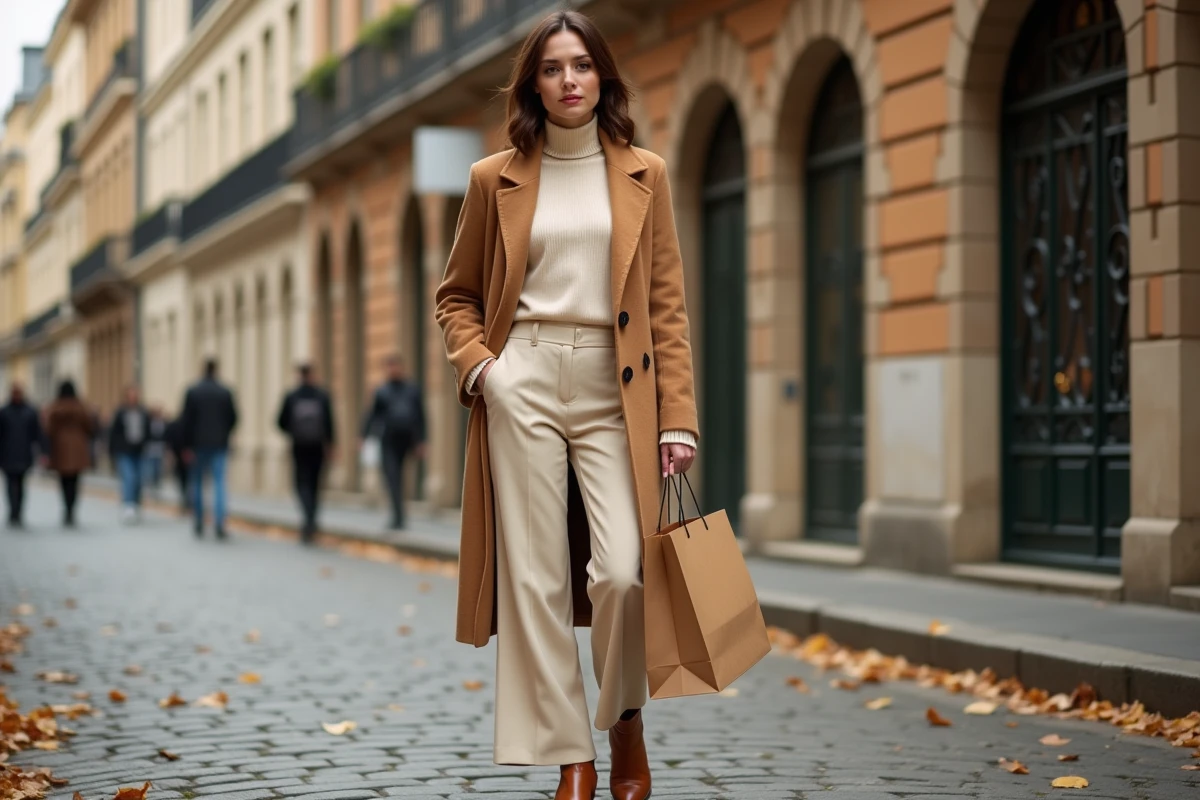
This phenomenon has a direct consequence on the looks offered this season: tempered oversized silhouettes, flowing midi dresses, and soft-pleated trousers dominate the suggestions. To delve deeper into these stylistic directions, Camille Un Point C’est Tout’s fashion page analyzes these cuts with a complementary editorial perspective.
Sustainable capsule looks versus disposable micro-trends
The rise of pieces with better environmental scores in basic categories (denim, t-shirts, sweatshirts) is reshaping wardrobes. Brands that communicate about eco-design, with Decathlon leading in the sportswear-casual segment, are seeing a significant increase in sales for these better-rated references.
The capsule wardrobe is replacing constant renewal as the dominant purchasing model in the women’s 25-40 age segment. Seasonal looks are built around three to five interchangeable pieces rather than fifteen items worn twice.
Criteria for an effective capsule wardrobe this season
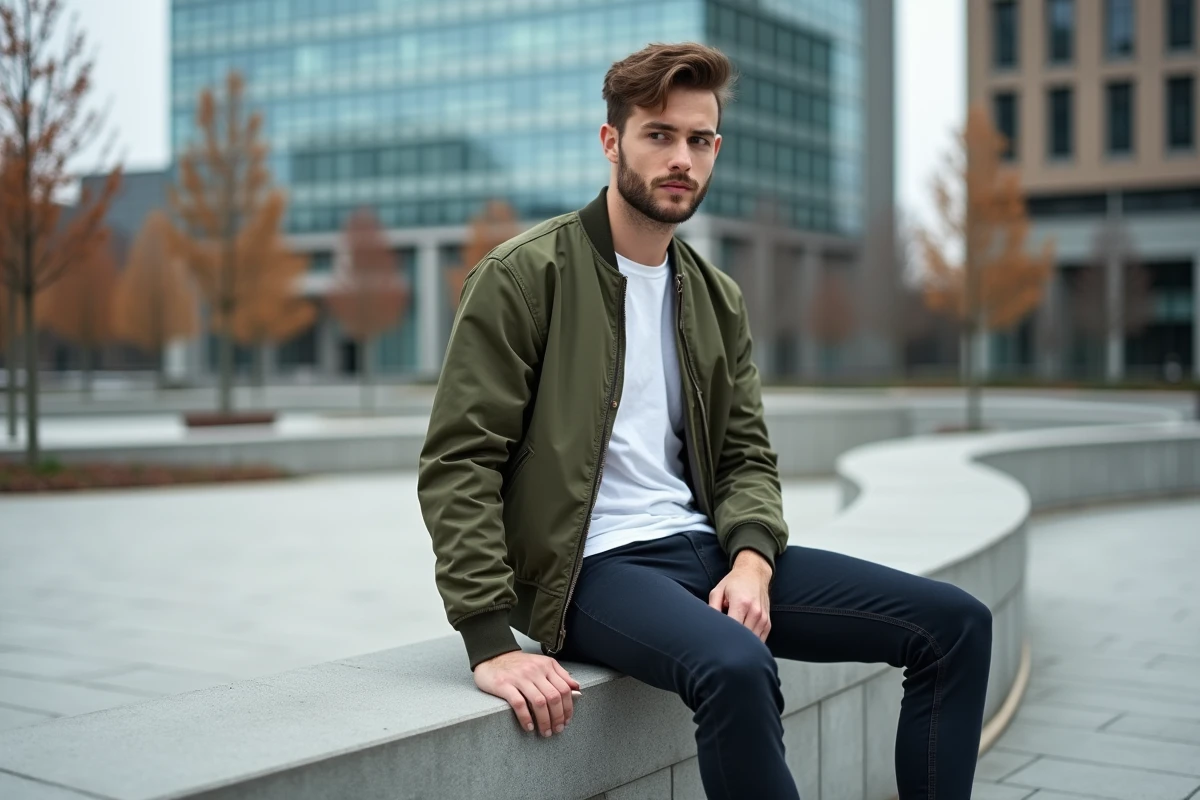
- A straight or slightly flared jean, in raw or lightly washed denim, serving as the base for most outfits from spring to autumn
- A structured jacket in natural fabric (linen, thick cotton) that can work equally well over a dress or a t-shirt
- Two tops in neutral colors and one top in a vibrant seasonal hue, to vary looks without multiplying purchases
- A standout piece rented or bought second-hand (statement coat, event dress) that adds character without cluttering the wardrobe
The Green Claims directive proposed by the European Commission pushes this logic further: brands will need to prove their environmental claims, making eco-design scores more reliable and further steering purchases towards sustainable basics.
Second-hand and rental: event style changes circuit
The decline of ultra-low-cost fast fashion among 18-25 year-olds in France and the Benelux is not just a niche discourse. Kantar and Fashion for Good surveys confirm a decrease in purchase frequency from these players, accompanied by double-digit growth for second-hand platforms like Vinted and Vestiaire Collective.
Rental is gaining ground in a specific niche: “statement” pieces worn one to three times a year. Evening gowns, boldly printed coats, designer accessories – these elements that previously defined personal style are becoming occasional borrowings.
For everyday looks, second-hand is establishing itself as the first purchasing reflex for vintage pieces or branded basics. We recommend starting with categories where the quality-price ratio is most favorable in second-hand: leather jackets, premium denim, thick knitwear.
Pieces to prioritize in second-hand versus rental
- Second-hand: branded jeans, wool sweaters, leather jackets, poplin shirts – pieces whose durability justifies a second life cycle
- Rental: cocktail dresses, coats with bold animal prints or tartan, designer bags – pieces with high stylistic impact but limited use
- Targeted new purchase: underwear, fine knitwear, basic organic cotton t-shirts – items where hygiene or rapid wear makes second-hand less relevant
Seasonal colors and prints: reading beyond the official Pantone
The colors presented as “official trends” of the season are the result of a forecasting effort conducted twelve to eighteen months in advance by style offices and textile fairs like Texworld. What we wear now was decided long before the shows.
Warm neutral tones dominate everyday wardrobes, while bright shades (butter yellow, burnt orange, saturated sage green) function as accents on a single piece. Wearing a monochrome outfit in a bright color remains reserved for fashion-forward profiles.
As for prints, animal patterns never really disappear – they mutate. This season, they are worn in tonal versions (tone-on-tone leopard, beige gradient python) rather than in contrasting versions. Tartan returns on short jackets and midi skirts, but in a discreet format, integrated into the office wardrobe.
The underlying trend is not a specific print or color. It is the construction of a personal style from mixed purchasing circuits (targeted new, second-hand, rental) and data-filtered recommendations. The seasonal look is created as much in an algorithm as in a design workshop.