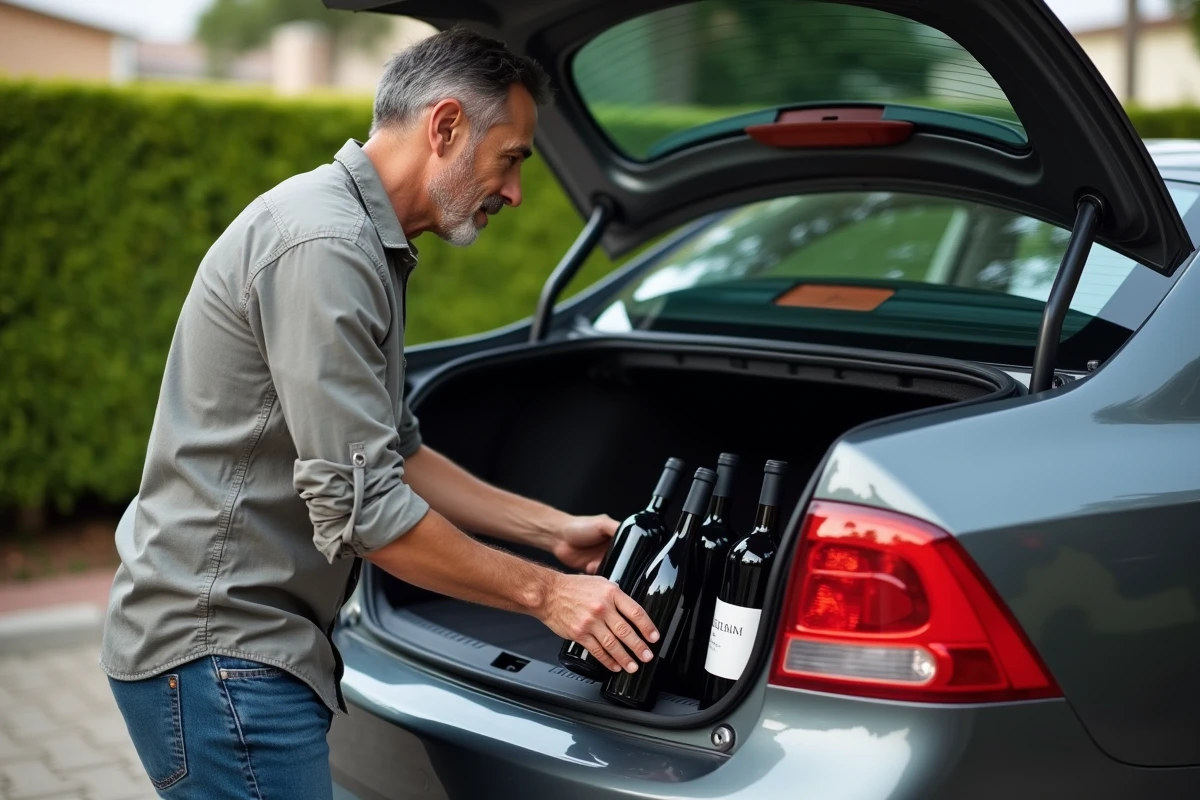
Transporting a dozen cases of wine in the trunk won’t necessarily land you in trouble, but the law leaves no room for improvisation. The thresholds are clear, and the checks can be relentless: crossing the border with too many bottles under your arm risks confiscation and penalties, even if you don’t intend to sell your cargo.
Holiday departures, especially in summer, see an increase in road checks on major routes and near borders. Police and customs officers do not try to guess your intentions: they rely on specific criteria to distinguish between private use and trafficking. Each European country applies its own rules, complicating matters for motorists who enjoy good bottles.
What the law says about transporting and consuming alcohol while driving in France
The highway code is not limited to speed cameras and seatbelt requirements: it also regulates the transport of alcoholic beverages in a vehicle. In France, the legislation clearly distinguishes between two aspects: the possession of bottles of wine and the consumption of alcohol by the driver. Traveling with several cartons, even in quantity, is not a problem as long as the use remains personal and the legal limits are respected.
For wine as well as other fermented beverages (excluding spirits), the limit for transporting wine in a car is set at 90 liters per adult, which is approximately 120 bottles of 75 cl. This quantity is intended to meet the needs of enthusiasts or families without the intention of commercialization. During a check, law enforcement verifies the nature of the load: an unusual number of bottles, lack of proof of purchase, or identical cartons can raise suspicion and tip the balance towards commercial transport.
The issue of alcohol consumption while driving is unequivocal. The maximum allowable blood alcohol concentration is set at 0.5 g/l (0.2 g/l for novice drivers). Exceeding this threshold exposes you to a hefty fine, point deductions, or even license suspension. Even a small sip before getting back on the road can be enough to cross into illegality. Having wine in the cabin is permitted, but safety is non-negotiable once you take the wheel.
Here are the rules to keep in mind when transporting wine by car in France:
- Transport: up to 90 liters of wine per adult allowed
- Consumption: prohibited while driving beyond the legal limit
- The authorities judge based on the quantity, diversity, and appearance of the products to distinguish between personal use and commercial activity
What limits and rules apply for transporting wine by car within the European Union?
Crossing the borders of the European Union with wine in the trunk is a regulated but marked path. European texts set a ceiling not to be exceeded to remain on the side of individuals: 90 liters per adult, with a maximum of 60 liters for sparkling wines. This margin corresponds to 120 standard bottles; beyond that, an infraction looms.
Customs officers rely on several concrete criteria: the number of adult travelers, the diversity of beverages, the presentation of the load, and of course, the declared destination. A typical example: a family transporting several cases for a birthday or wedding. If all adults are involved and the quantities remain within limits, there’s no problem on the horizon, provided you can prove the private nature of the transport if needed.
The transport limits for individuals within the European Union are as follows:
- Bottles of wine: up to 90 liters per adult
- Other alcoholic beverages: specific ceilings apply depending on the nature of the alcohol
Note: crossing an internal border does not mean lowering your guard. Checks can intensify, especially after a stay in a wine region. To avoid any misunderstandings, keep your receipts, distribute the cases among adult passengers, and ensure your trunk is well organized. Showing the origin and destination of the bottles reassures during a check and limits the risk of being suspected of illegal transport.
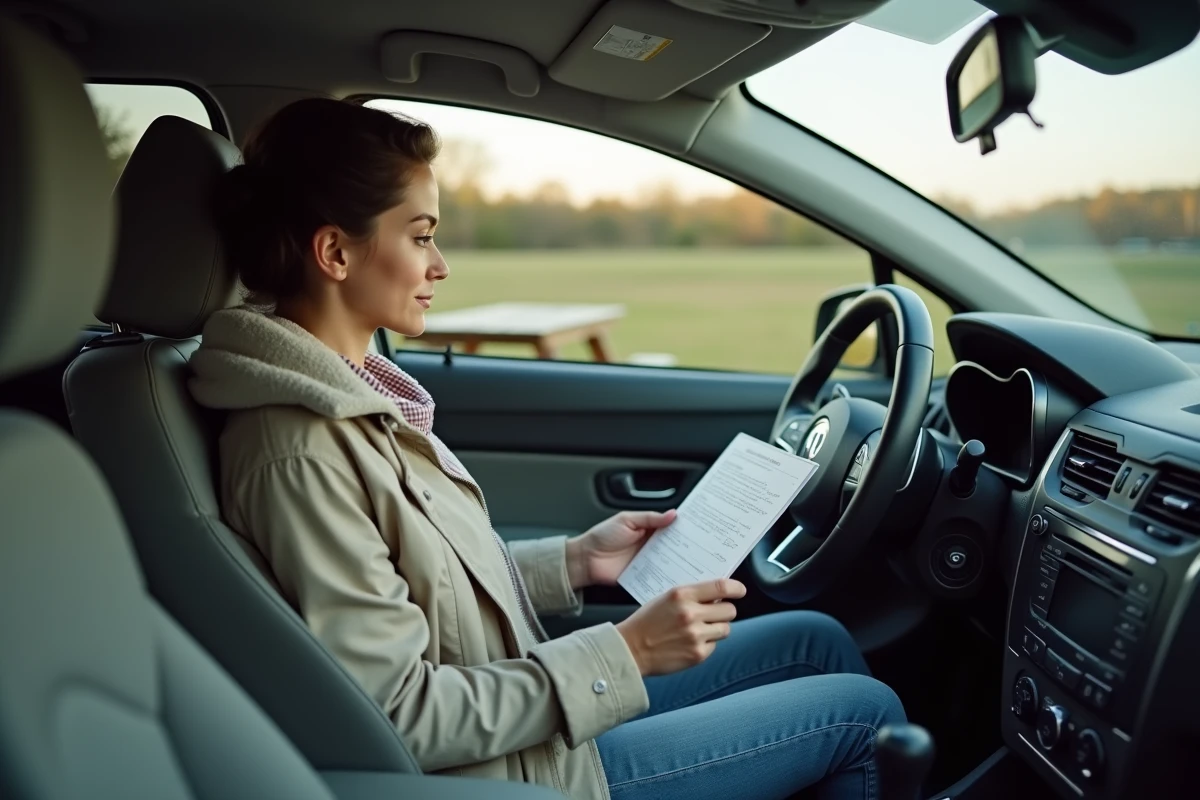
Dangers, checks, and tips for traveling peacefully with alcohol, especially during the summer
On the holiday road, trunks often fill with carefully stacked cases of wine. But beyond the indulgence, caution remains essential. Traveling with alcohol also means dealing with the whims of the weather: excessive heat can affect the quality of the bottles or even cause incidents if they roll or break. Prefer a shaded trunk, avoid leaving cartons exposed to the sun, and check the stability of your load.
In summer, checks multiply on major routes. Gendarmes examine the quantity of alcohol transported, the distribution among adults, and the origin of purchases. In these conditions, it’s difficult to convince someone of personal use if everything relies on a single passenger and receipts are missing. Anticipate: pack your wines carefully, distribute the cartons, and always keep proof of purchase.
A well-prepared trip limits unpleasant surprises. Lay the bottles flat to prevent them from clinking, secure the cartons firmly, and plan a break in the shade if the journey is long under the sun. Keep in mind that behind the wheel, tolerance for alcohol consumption is zero. Even a small tasting on the wine route can be costly. On the asphalt, vigilance always takes precedence over temptation.