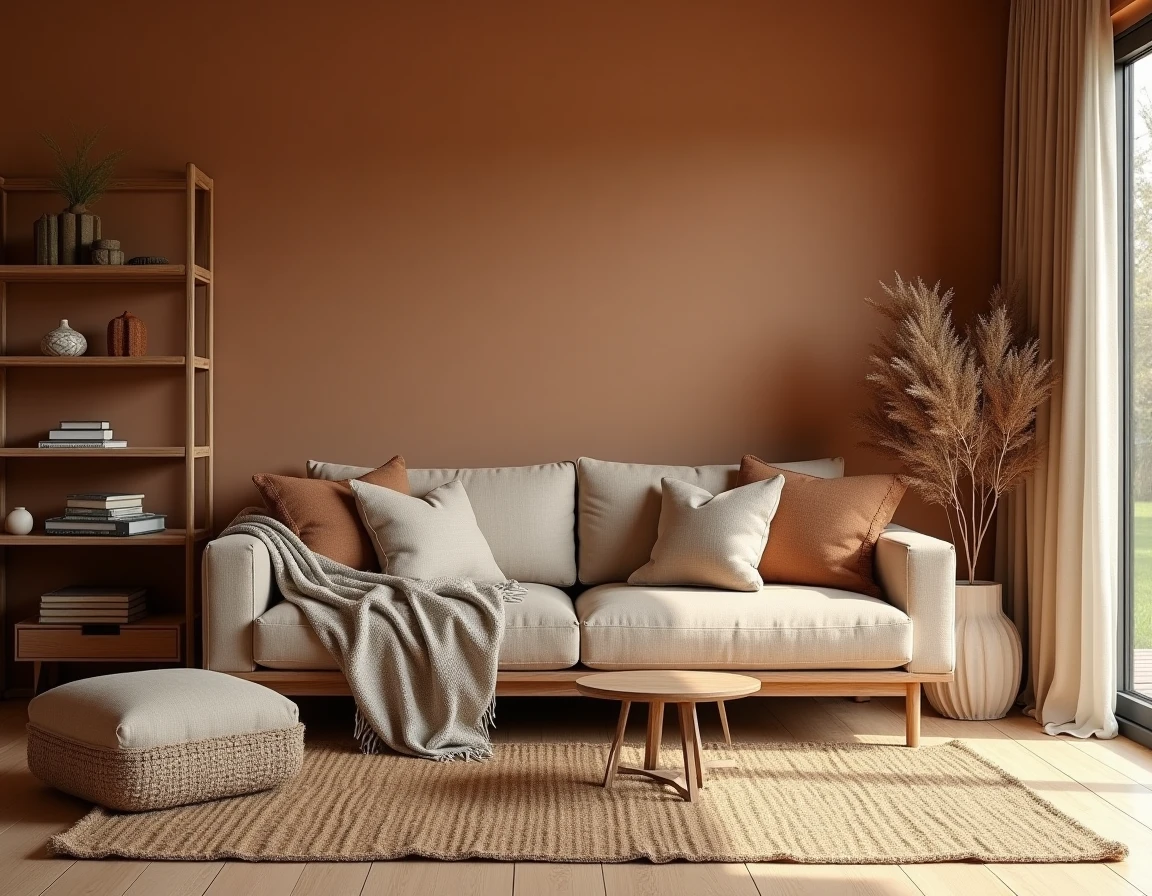
Transforming your interior into a cocoon doesn’t mean piling cushions and candles on every surface. The most common trap, especially in a small space, is overloading the area in the belief that it will make it cozier. A true cocoon relies on precise choices: each decorative element should warm the atmosphere while preserving the visual breathing space of the room.
Here are ten concrete ideas to achieve this, maintaining a balance between comfort and the perception of space.
1. Deep brown paint on a single load-bearing wall
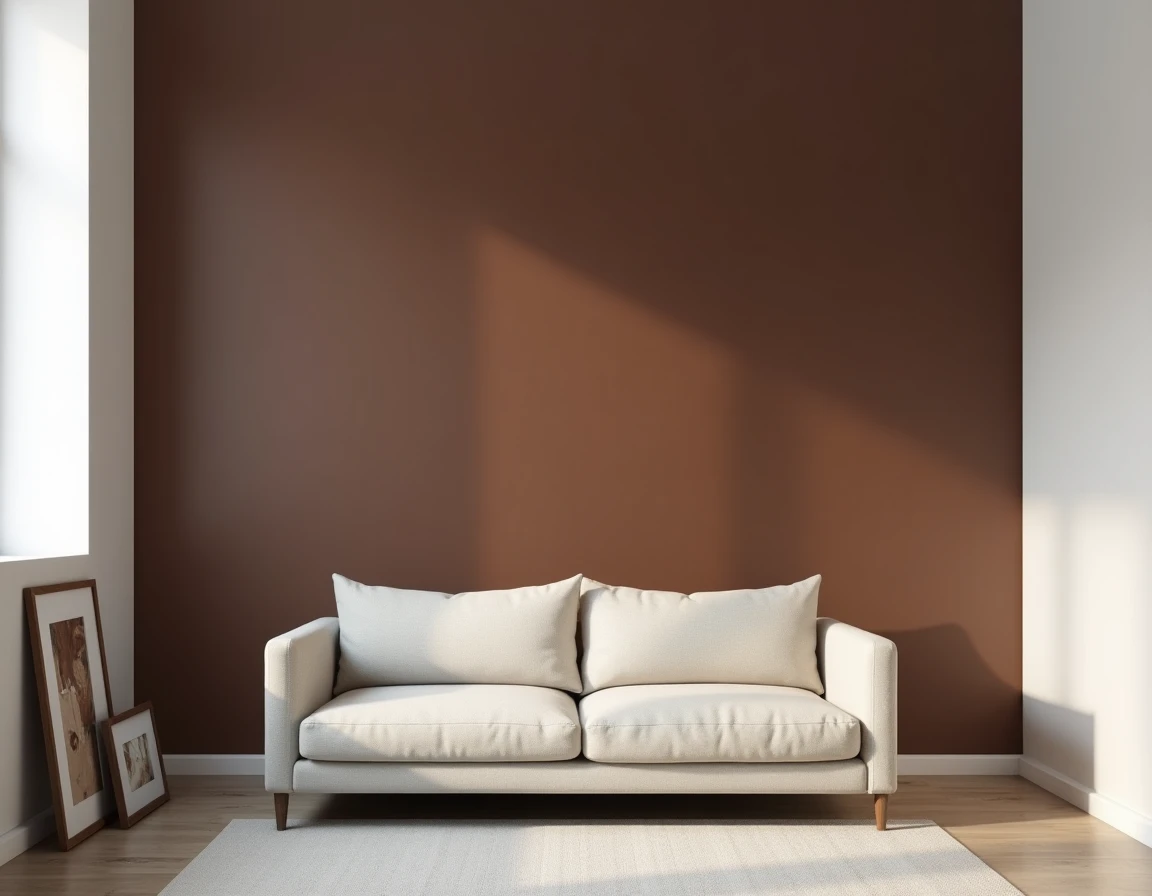
The trends for 2025 favor darker, muted palettes: deep browns, muted greens, earthy tones. Applying a strong color to a single load-bearing wall is enough to anchor the entire room in a cocooning atmosphere without visually shrinking the space.
The idea is simple: the other three walls remain light (off-white, linen, beige). The contrast creates depth instead of closing in the room. In a studio, this wall can be the one behind the bed or the sofa.
To explore more decor ideas on Déco Maison, this approach to the accent wall is a good starting point before touching the furniture.
2. Short pile rug instead of long pile
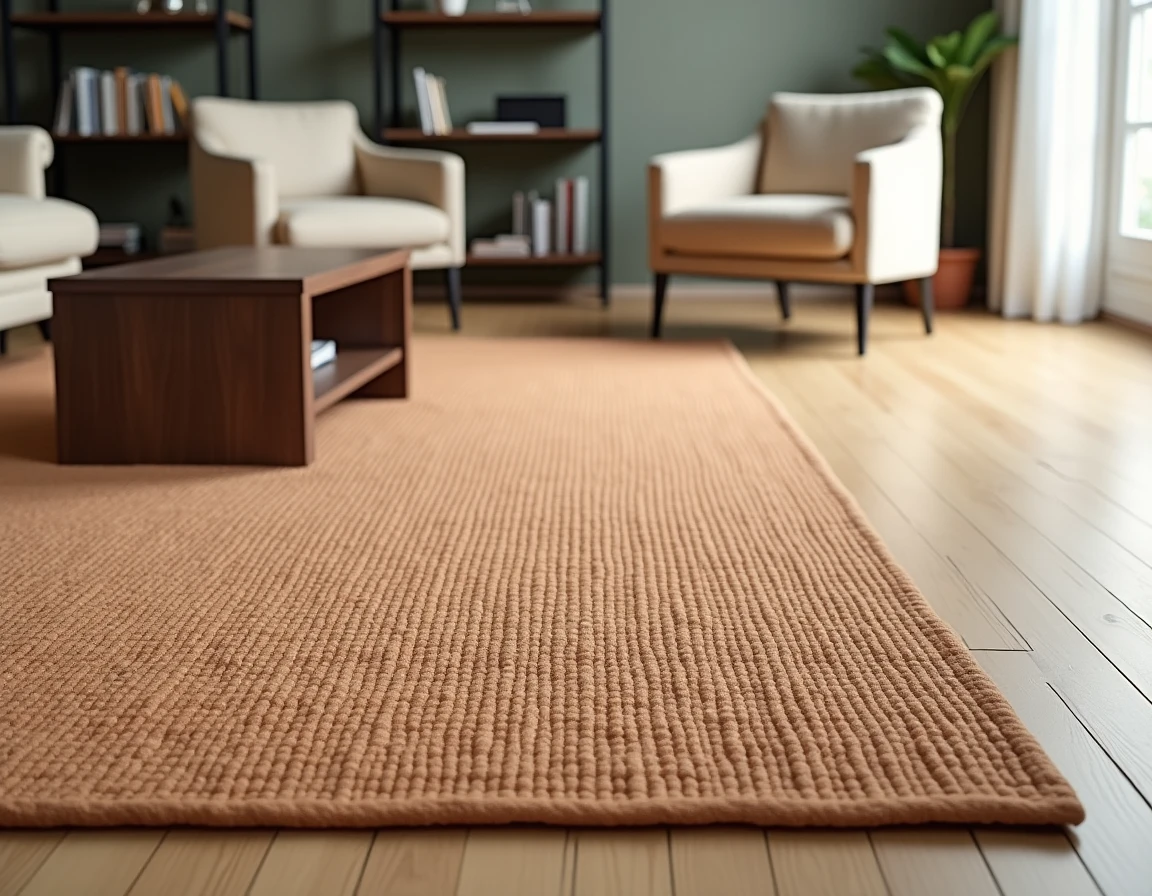
Have you noticed that a long pile rug attracts dust and weighs down a small space? In a compact home, a short pile wool rug offers the same comfort underfoot but maintains a clean look.
Opt for a solid, neutral shade. The rug delineates an area (living corner, sleeping space in a studio) without needing a partition. It’s a discreet zoning tool that warms the floor without cluttering the view.
3. Indirect lighting with low wall sconces
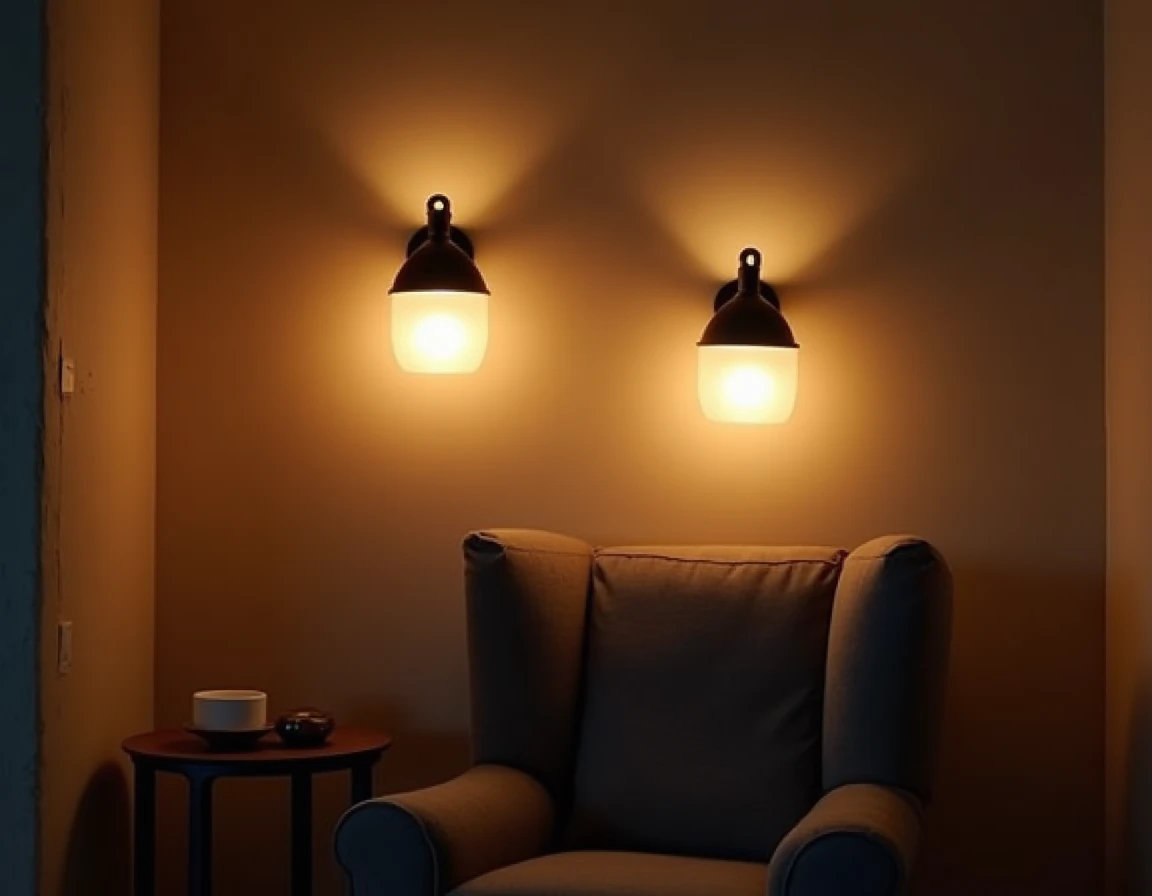
A central ceiling light can overwhelm the ambiance. For a true cocoon, light should come from several points located below eye level: wall sconces, lamps on a low shelf, a discreet string of lights behind a headboard.
Multiplying low light sources creates a warm envelope without glare. Two or three points are sufficient in a bedroom. Choose warm temperature bulbs to enhance the cozy effect.
4. Thick linen curtain from floor to ceiling
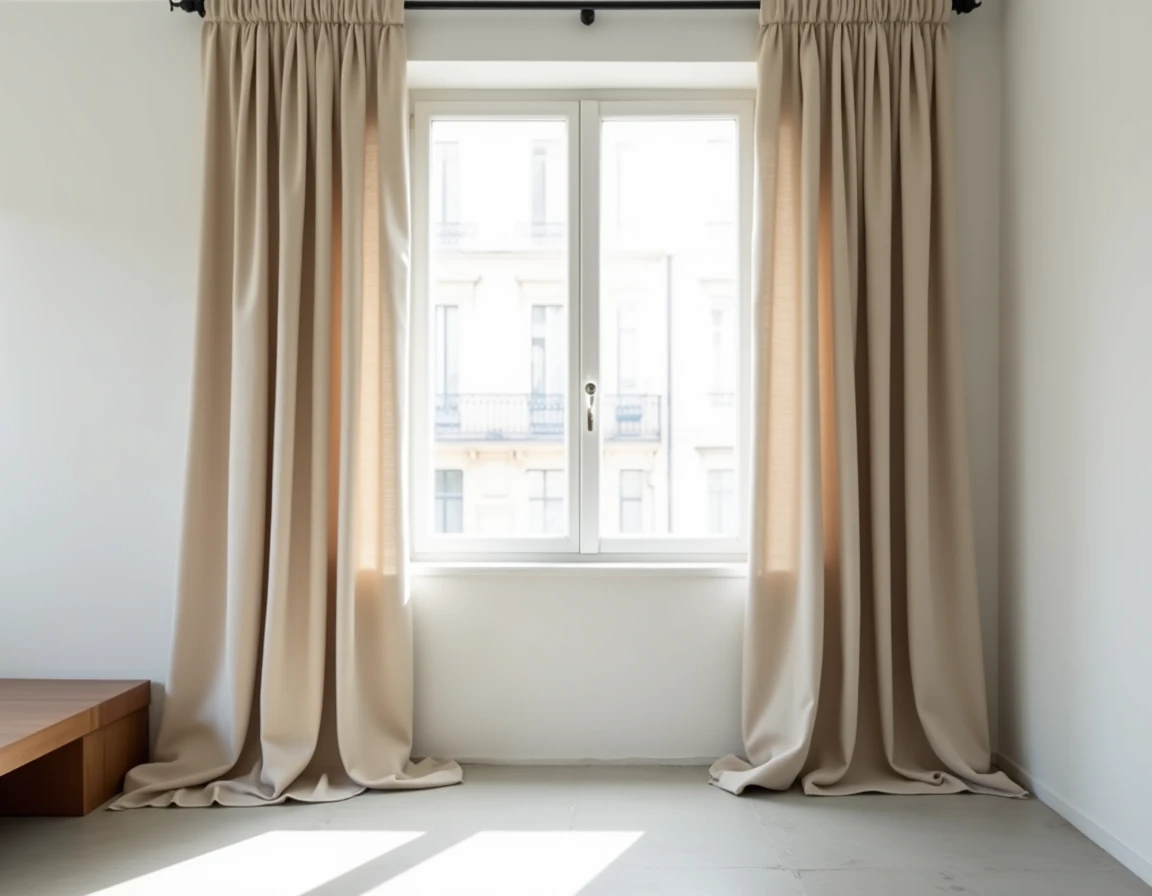
Fix the rod as close to the ceiling as possible, and let the curtain just touch the floor: this trick visually enlarges the height of the room while adding an enveloping textile layer.
Thick linen filters light without dimming it. Recommended color: a natural shade (ecru, greige, sand) that blends with the light wall. A curtain that is too short or too thin breaks the cocoon effect and gives a sense of temporariness.
5. Corduroy floor cushion as extra seating
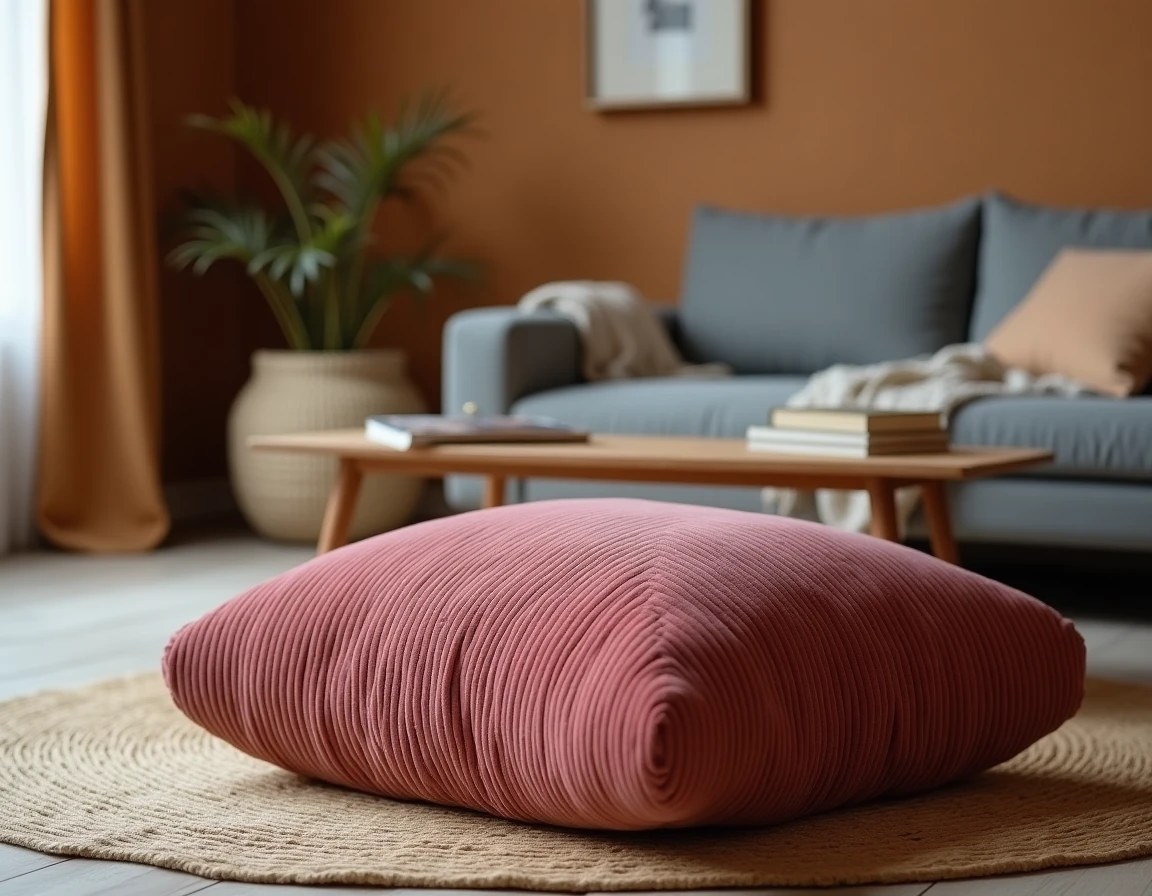
Instead of piling decorative cushions on an already loaded sofa, move the comfort to the floor. One or two corduroy floor cushions create a reading or relaxation nook without adding furniture.
In a small home, it’s an extra seat that can be easily stored. The corduroy adds texture without giving a “cluttered” look, unlike oversized poufs.
6. Round mirror leaning against the wall instead of hung
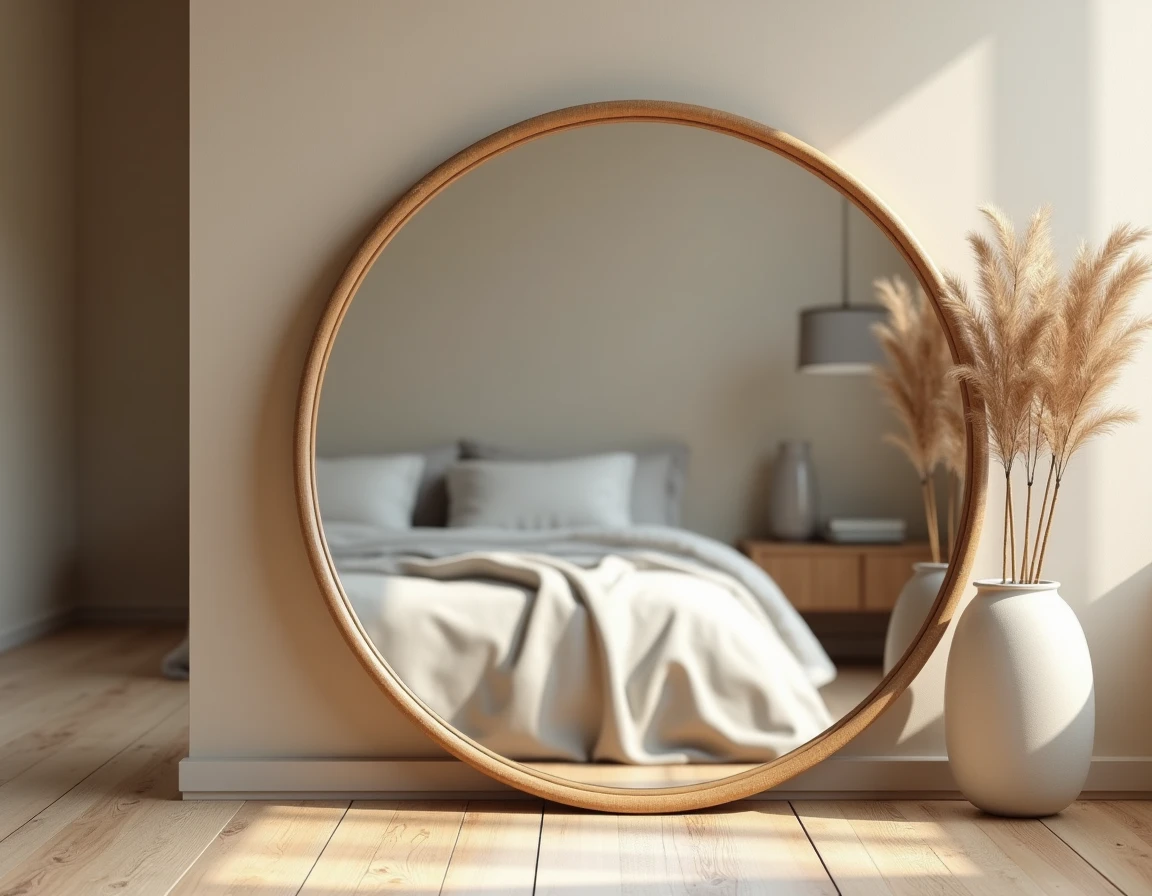
A mirror enlarges the space, as is well-known. Leaning it on the floor, slightly tilted against the wall, changes the game: it reflects natural light towards the ceiling and gives a relaxed look.
Choose a round shape rather than rectangular. The rounded form softens the lines of a room, enhancing the cocoon feeling. Positioned opposite a window, it doubles the perceived brightness without any installation work.
7. Pillar candle on a raw wood tray
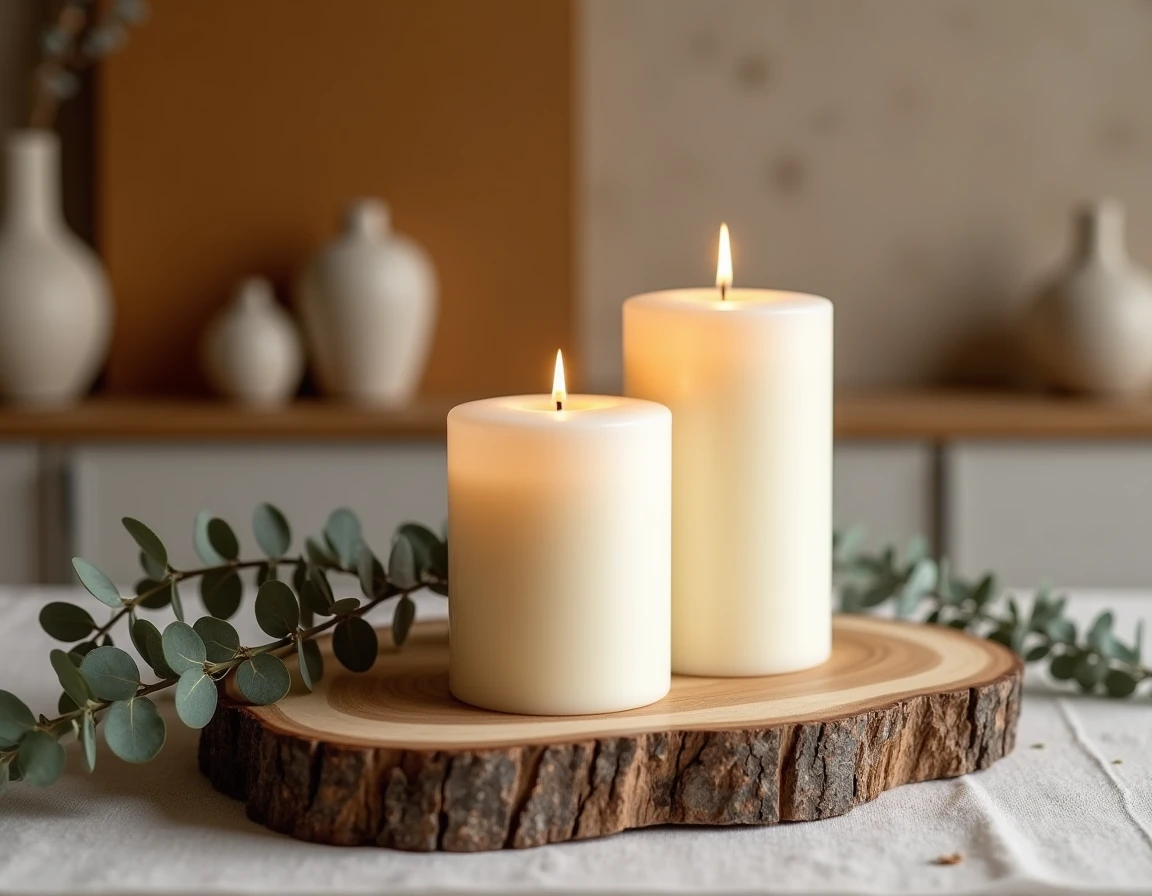
Candles contribute to the cocooning atmosphere, but scattered throughout the room, they create visual clutter. Group them on a raw wood tray: three pillar candles of varying heights form a neat composition.
A single focal point is better than ten scattered details. The tray channels the decor and is easily movable. It’s also a good way to incorporate a natural material (wood, cork, stone) without buying an additional piece of furniture.
8. Trailing plant in macramé suspension
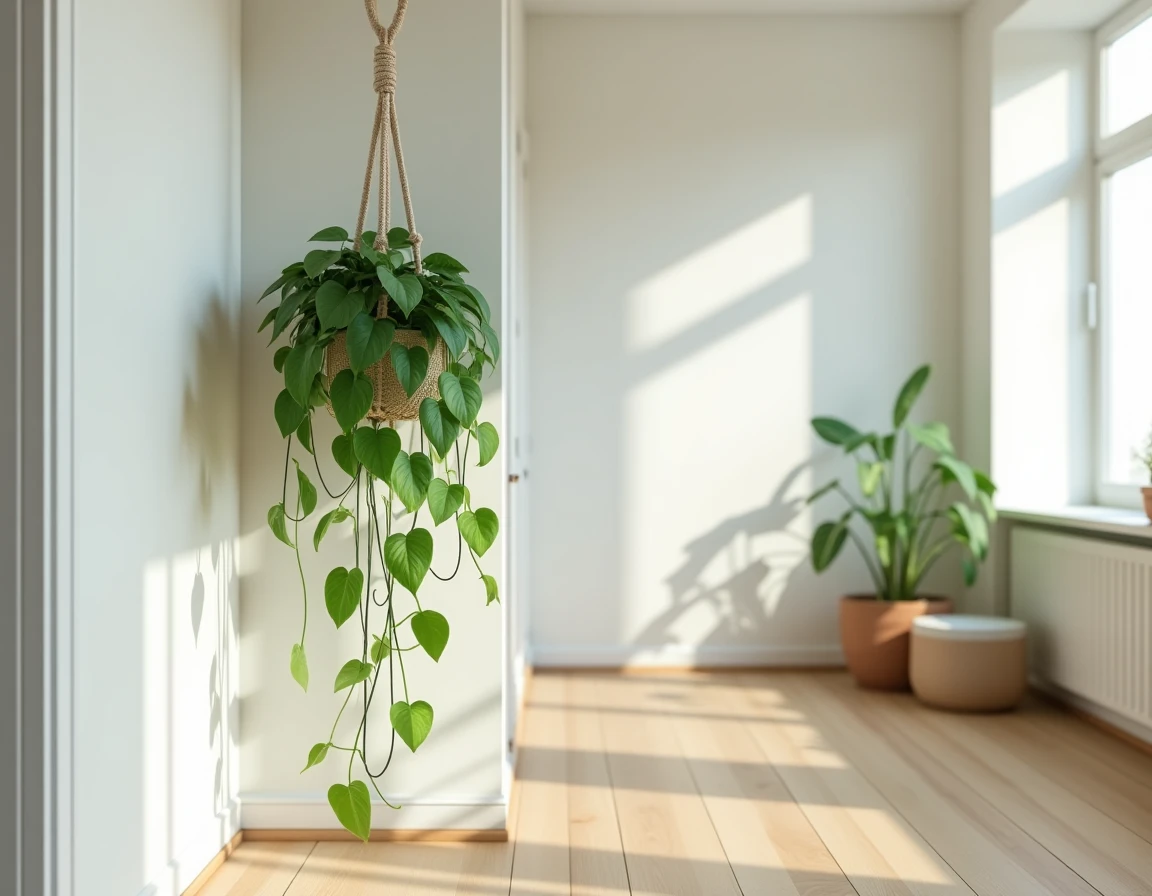
Indoor plants bring a lively touch, but placed on the floor, they clutter a small space. A macramé suspension utilizes height without taking up floor space.
Opt for a trailing plant (pothos, ivy, ceropegia) that dresses the vertical void. The macramé adds a handmade texture consistent with the cocoon spirit. Hang the suspension near a window so the plant receives enough light.
9. Chunky knit throw draped over the armrest
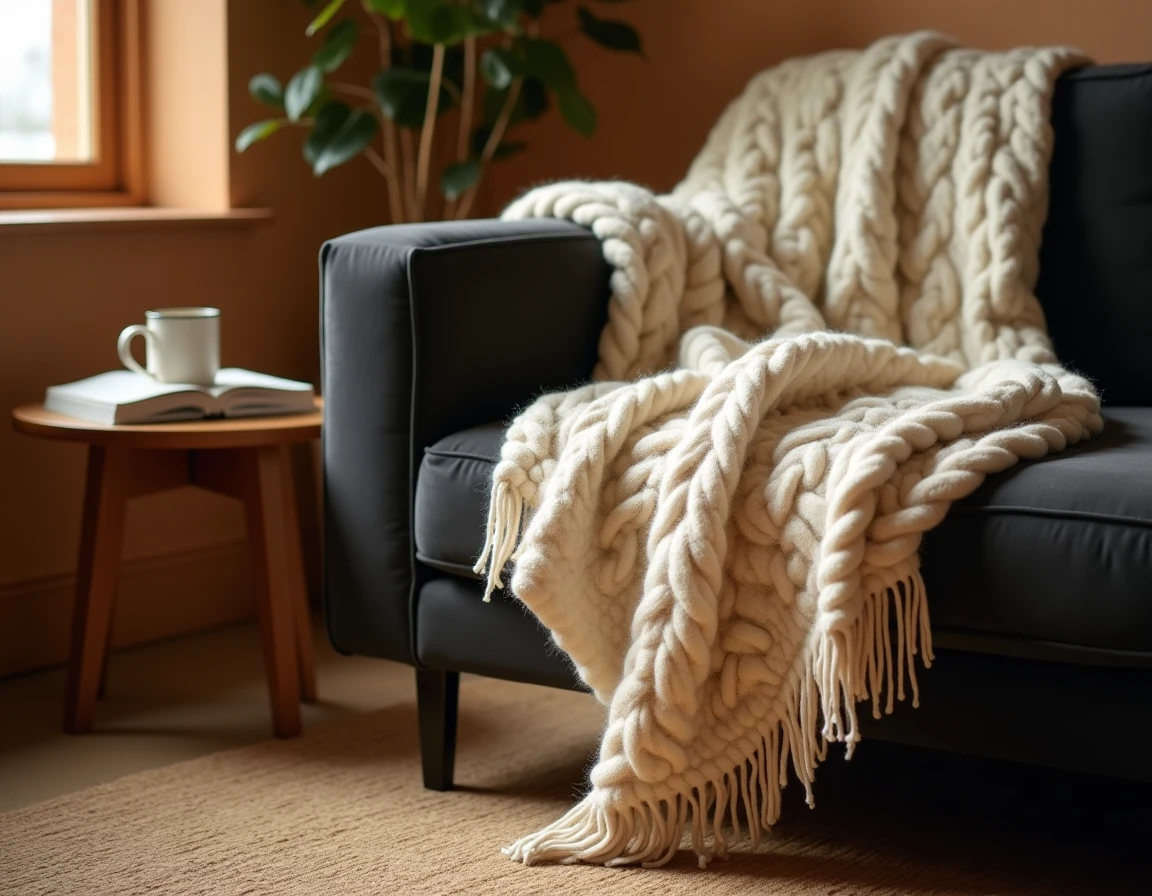
A throw tossed haphazardly on a sofa looks messy. Folded in thirds and placed on an armrest, it becomes a decorative accessory in its own right. The twisted knit offers visual relief that enriches the whole without overwhelming it.
Choose a shade that echoes the accent wall or the rug to create chromatic coherence. It’s this discreet repetition of the same hue that distinguishes a thoughtfully designed interior from one that is simply filled.
10. Unique wall shelf with a maximum of three objects
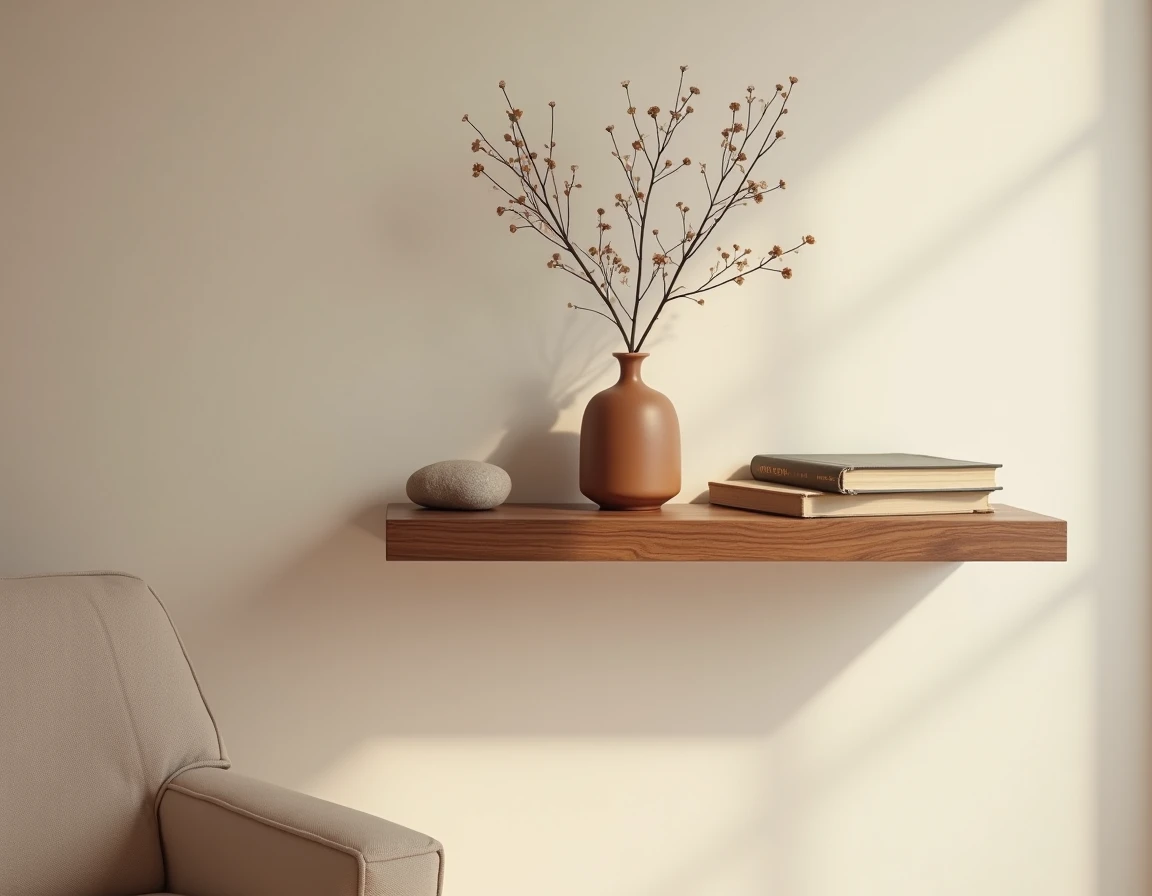
Are you hesitating between displaying your finds or keeping the walls clear? The rule of three works well: a single wall shelf, three objects of different sizes and materials (a vase, a flat book, a small pottery piece).
Fewer visible objects give more value to each. The unique shelf avoids the “cluttered gallery” effect often found when multiplying floating shelves. In a studio, it’s the limit that makes the difference between a cocoon and a jumble.
Creating a cocooning interior in a small home relies on a principle illustrated by each idea on this list: each decorative object should warm the atmosphere and lighten the perception of space, never one without the other. Remove anything that doesn’t fulfill this dual function, and the cocoon will reveal itself.